


 Language: English












Repairing & Strengthening Parking Structure
Carbon Fiber and Carbon Fiber Plate
Parking structure renovation with strict space constraints? Carbon fiber strengthening keeps your original headroom, parking bays and traffic lanes unchanged while restoring load capacity and seismic performance. HORSE CFRP laminates & fabric provide a non-corrosive, low-profile retrofit alternative for slabs, beams, columns and joints.

Project Overview
This project covers a multi-storey parking structure in Qatar: a cast-in-place reinforced concrete frame featuring long-span beams, large continuous floor slabs, and a regular column grid arranged for parking bays and traffic lanes.
Parking structures present unique challenges for structural strengthening compared with office or residential buildings.
Current Structural Problems
Slabs — insufficient flexural capacity under vehicle loads.
The large-area floor slabs could not meet the design flexural demand for vehicle loading. Parking slabs are subjected to concentrated wheel loads, which create local stress peaks even though the overall load level is relatively low.
Beams — insufficient bending resistance for long spans.
The long-span main beams lacked flexural capacity. Although concrete enlargement was physically feasible, it would transfer additional dead load to columns and foundations, require extensive formwork and curing time, and alter the stiffness distribution of the whole frame.
Columns — confinement deficiency and partial shortage of longitudinal capacity.
Deficiencies varied across different columns. Some columns primarily needed improved confinement and ductility for seismic performance; others required restoration of longitudinal load-bearing capacity. These two conditions demand different strengthening strategies.
Materials
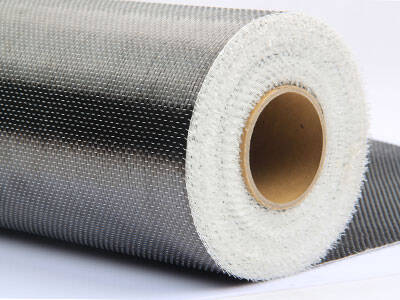
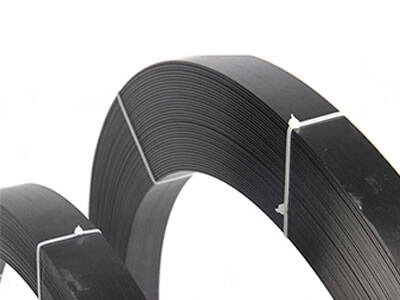
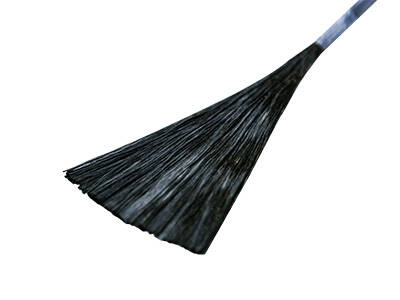
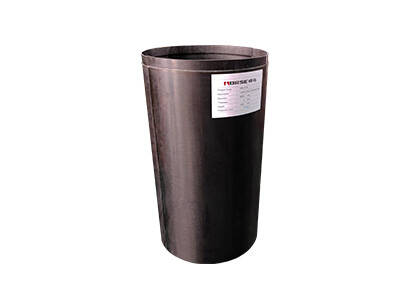
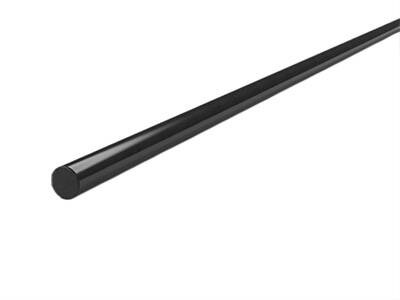
Two HORSE carbon fiber product series were adopted for this parking structure retrofit: HM-1.4T CFRP laminates for flexural and longitudinal reinforcement, and HM-60 carbon fiber fabric (600 g/m²) for confinement, shear strengthening and anchorage.
The Strengthening Scopes
Floor slabs — soffit-bonded CFRP laminates.


HM-1.4T laminates (1.4 mm) were bonded to slab soffits along the main spanning direction. Pultruded CFRP laminates feature factory-controlled fiber content and consistent cross-section, delivering predictable stiffness on site — a critical advantage for large-scale slab reinforcement covering thousands of square meters. Laminate bonding is also less sensitive to workmanship variation than wet lay-up fabric systems for wide-area works.
Beams — soffit laminates + fabric anchorage wraps.

HM-1.4T laminates and HM-60 carbon fiber were bonded to beam soffits to restore flexural capacity. Carbon fiber fabric wraps were applied at beam ends for anchorage. Thin, stiff CFRP laminates generate high peeling stress at cut-off points. Without proper anchorage, delamination failure will occur before the laminate reaches its design strength. The fabric U-wraps prevent premature debonding, eliminating the need for drilled steel anchor bolts and long-term corrosion maintenance.
Columns — two strengthening configurations

One set of columns received full-height circumferential carbon fiber fabric wrapping for passive confinement. Confinement improves concrete compressive performance, restrains cover spalling and enhances ductility, protecting columns from brittle collapse under seismic actions.
Another set of columns required both longitudinal capacity and confinement. The strengthening sequence was: bond HM-1.4T vertical laminates on column faces first, then wrap circumferential carbon fabric over them. Vertical laminates serve as extra longitudinal reinforcement; the outer fabric wrap provides three functions at once: concrete confinement, laminate debonding restraint and shear resistance. The sequence cannot be reversed.
Neither solution increases the external dimension of columns. For a parking structure, this is not a minor advantage — it is the prerequisite for a constructible retrofit scheme.

Beam-column joints
Joints were wrapped with carbon fiber fabric , with wrap extensions onto adjacent beams and columns to develop full anchorage. The fabric strengthens the joint core against shear, improves the anchorage of beam reinforcement passing through the joint, and keeps the original joint geometry unchanged.

After Strengthening
After retrofit, slabs and beams satisfy the vehicle load requirements. Columns achieve ductile failure mode instead of brittle collapse, and beam-column joints gain sufficient shear capacity.
All key geometry remains unchanged: soffit clearance, column grid, bay size and lane width are preserved. The number of parking spaces on every floor stays the same.
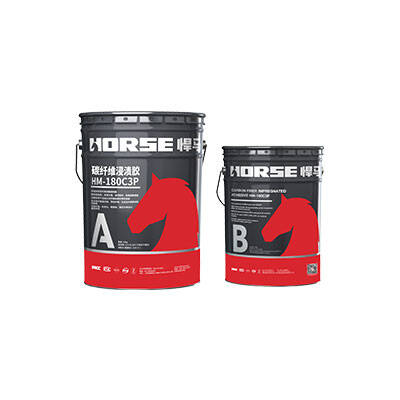
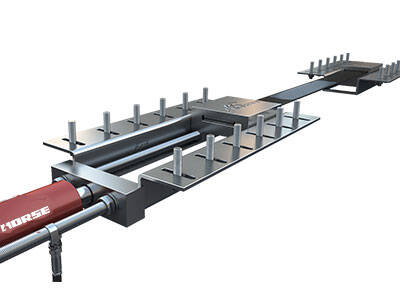
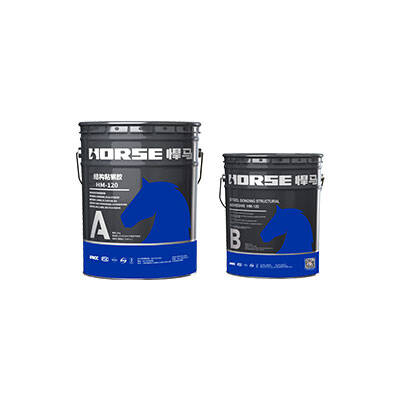
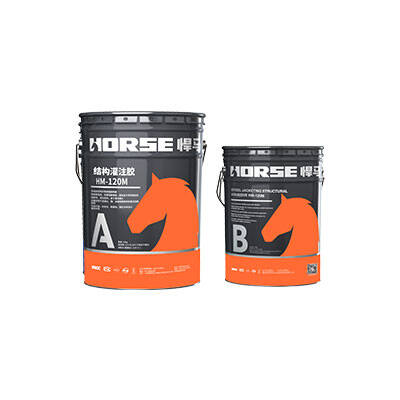
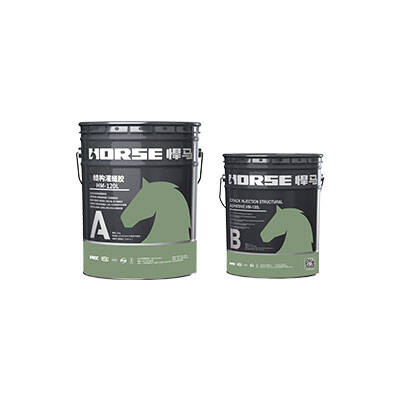
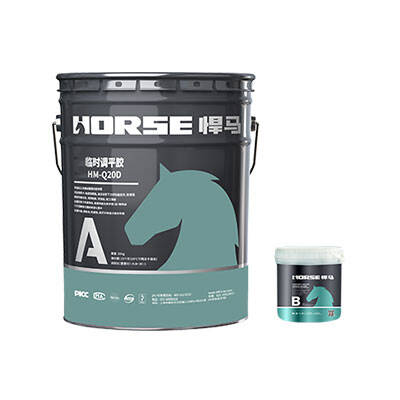
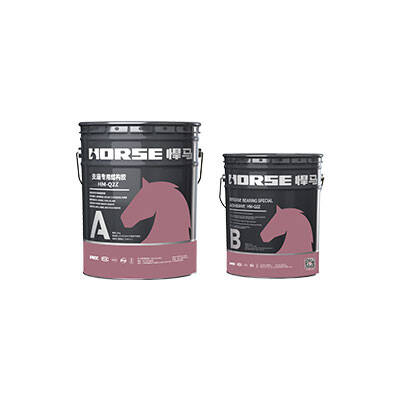
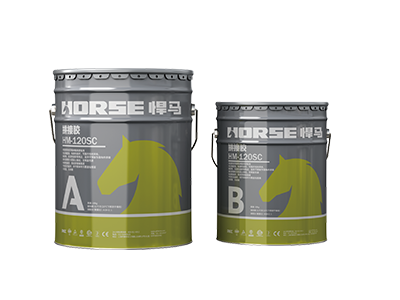
HORSE Construction manufactures a complete range of carbon fiber strengthening products: CFRP laminates from 1.2 mm to 3.0 mm, carbon fiber fabric from 200 g/m² to 600 g/m², prestressed CFRP laminate systems, carbon rebar and carbon tendons, together with full epoxy systems including primer, levelling adhesive, saturating adhesive, structural bonding adhesive, injection resin and crack repair materials. We supply contractors and engineers in over 100 countries, with flexible MOQ and stock availability for standard items.
If you are working on similar strengthening projects for parking structures, bridges or public buildings, share your drawings or assessment reports with us. We can provide:
- Datasheets and test reports: full technical data for your selected system, including high-temperature and fire performance documentation when required by occupancy classification;
- Design selection guidance: laminate dimension, fabric weight, adhesive grade and anchorage detailing tailored to structural members, clearance limits and site access conditions;
- Formal quotation: pricing, MOQ and lead time based on your quantities.


