


 Language: English











Solutions
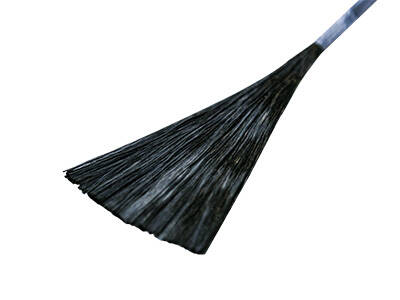
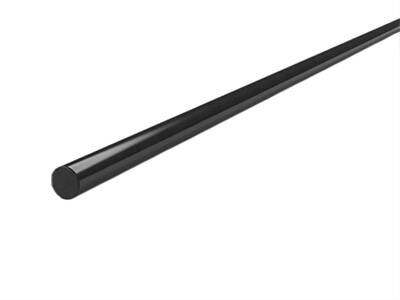
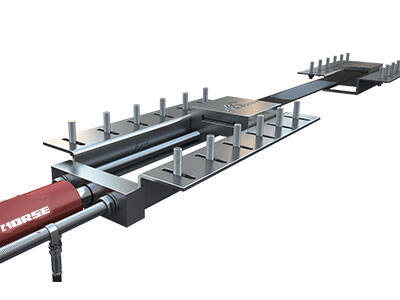
Horse Construction offers full range of structural strengthening materials with technical supports, documentation supports, products supports, project supports.
Flexible Carbon Fiber: Strengthening of Complex Structures

In the field of building structure reinforcement, the flexibility of carbon fiber reinforced polymer (CFRP) is one of the core properties that determines its construction feasibility and the adaptability of reinforcement effects. It directly solves many pain points of traditional rigid reinforcement materials (such as steel plates), and its significance is reflected in the following four core dimensions:
1. Perfect Fit for Complex Component Shapes, Ensuring Uniform Force Transfer During Reinforcement
Beams, columns, slabs, and walls in building structures often have irregular curved surfaces, sharp corners, and variable cross-sections (such as curved beams, circular columns, and the area around openings in shear walls).
Rigid materials (steel plates) require on-site cutting, welding, and bending, which is not only cumbersome but also prone to "fitting gaps," leading to stress concentration and reduced reinforcement effectiveness. Flexible carbon fiber cloth/plates can be directly bent, wrapped, and laid, tightly adhering to the component surface and forming a "shared load-bearing body" with the concrete matrix. This allows the high strength of the carbon fiber to be fully utilized, avoiding the risks of localized hollow areas and debonding.

2. Simplified On-site Construction Process, Lowering Construction Threshold and Costs
Structural reinforcement is mostly for existing building renovation projects, where site space is narrow and construction conditions are limited (such as high-altitude operations and indoor reinforcement). The advantages of flexibility are particularly prominent in these cases:
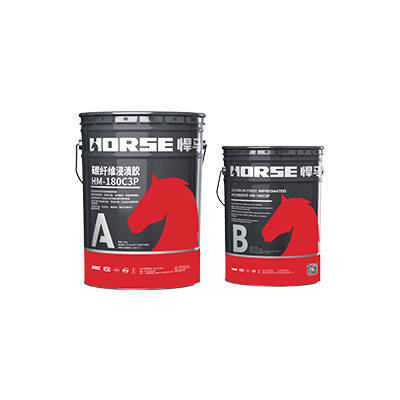
No heavy equipment required: Carbon fiber fabric can be transported in rolls. On-site work only requires cutting, applying primer/impregnation adhesive, laying, and curing. Compared to the hoisting and welding of steel plates, this significantly reduces equipment investment and labor costs.
Suitable for confined spaces: Flexible carbon fiber can be easily laid in areas where steel plates are difficult to access, such as beam-column joints and floor slab corners, completing reinforcement of "dead corners."
Shorter construction period: Flexible materials require fewer construction steps and have a fast curing speed (curing at room temperature is sufficient), making them especially suitable for commercial buildings and residential renovation projects with tight deadlines.

3. Reduce Damage to the Original Structure and Protect Structural Integrity
Traditional steel plate reinforcement requires fixing with chemical anchors or welded embedded parts, which can cause drilling damage to the concrete matrix, potentially leading to new cracks or weakening the structural load-bearing capacity.
Flexible carbon fiber reinforcement, on the other hand, uses adhesive anchoring, relying on the bond between the adhesive and concrete to transfer stress. It eliminates the need for drilling or welding, fundamentally avoiding secondary damage to the original structure. This makes it particularly suitable for: protective reinforcement of historical buildings and heritage structures; and reinforcement of components with low concrete strength that are unsuitable for drilling.

4. Adapting to Diverse Reinforcement Needs and Enhancing the Flexibility of Reinforcement Solutions
Flexible carbon fiber can meet different reinforcement objectives through adjustments to its layup design and cutting methods:
Flexural Reinforcement: Flexible carbon fiber is fully applied along the tensile direction of the component, utilizing its high tensile strength to increase load-bearing capacity.
Shear Reinforcement: Carbon fiber is laid horizontally or diagonally to form "shear hoops," replacing traditional stirrups.
Crack Repair: Narrow-width flexible carbon fiber can be laid along the crack direction to seal the crack and limit its propagation.
Compared to rigid carbon fiber plates, flexible carbon fiber is more suitable for localized and precise reinforcement; combining the two can achieve an optimal "rigid-flexible" solution.
You can find anything here you are in need of, have a trust trying on these products, you will find the big difference after that.

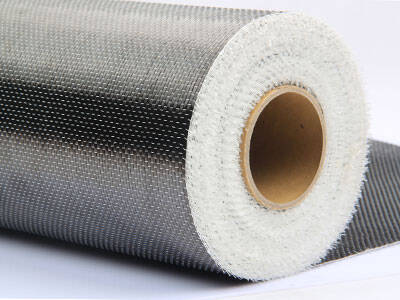
High strength, unidirectional carbon fiber wrap pre-saturated to form a carbon fiber reinforced polymer (CFRP) wrap used to strengthen structural concrete elements.

High strength, unidirectional carbon fiber fabric pre-saturated to form a carbon fiber reinforced polymer (CFRP) fabric used to strengthen structural concrete elements.

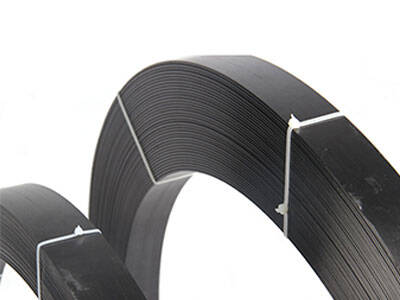
High strength, unidirectional carbon fiber sheet pre-saturated to form a carbon fiber reinforced polymer (CFRP) sheet used to strengthen structural concrete elements.
