


 Language: English











Solutions
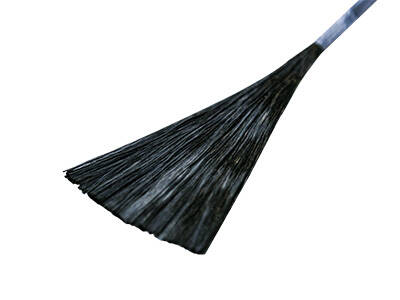
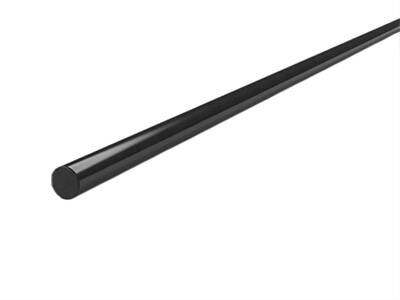
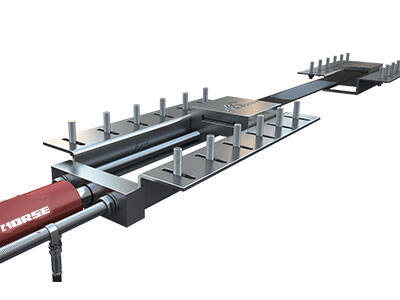
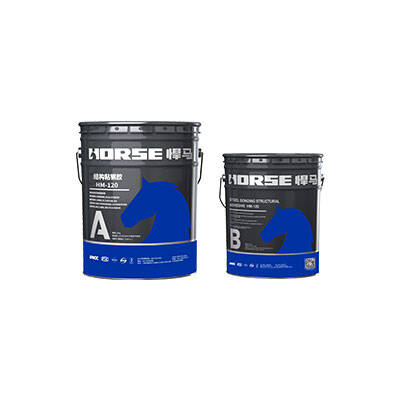
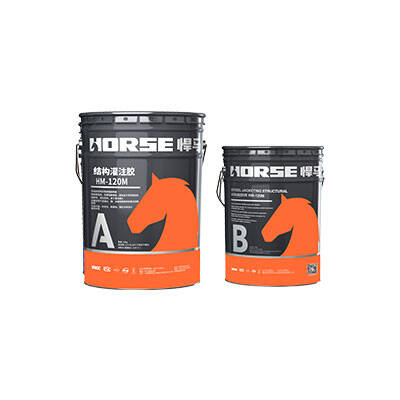
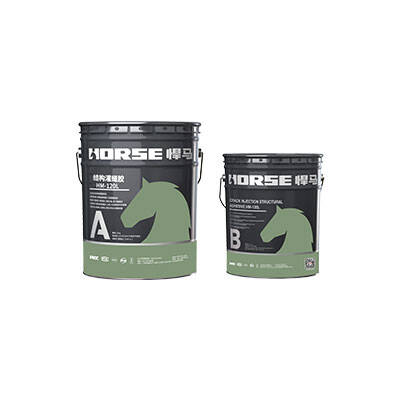
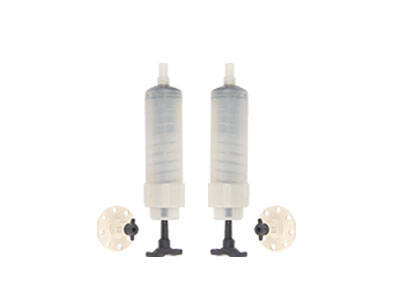
Horse Construction offers full range of structural strengthening materials with technical supports, documentation supports, products supports, project supports.
Concrete Silo Structural Upgrade: CFRP Carbon Fiber

Concrete silos, as core infrastructure in the bulk material storage field, are widely used in industrial settings such as grain reserves, building material processing, and mining and metallurgy, undertaking the long-term storage and turnover functions of bulk solid materials. Their structural safety is directly related to supply chain stability and production safety. However, during long-term service, due to multiple factors such as bulk material side pressure, environmental erosion, material aging, and load iteration, concrete silos are highly susceptible to structural hazards such as circumferential cracks, concrete carbonization, steel reinforcement corrosion, and decreased silo wall load-bearing capacity. In severe cases, this can lead to safety accidents such as silo wall leakage and partial collapse.
Traditional reinforcement techniques often rely on steel plate encasing, rebar reinforcement, and concrete encasing, which suffer from bottlenecks such as poor fit, large self-weight increase, long construction period, high maintenance cost, and susceptibility to secondary structural damage.
In recent years, carbon fiber reinforced polymer (CFRP) composite materials, with their core advantages of being lightweight and high-strength, flexible and adaptable, corrosion-resistant and durable, and efficient in construction, have gradually replaced traditional materials, becoming a disruptive solution for concrete silo reinforcement.

The Core Failure Challenges of Concrete Silos
Structural failure in concrete silos is not caused by a single factor, but rather by the combined effects of stress characteristics, environmental erosion, and material aging. The core challenges lie in three dimensions:
First, circumferential tensile overload. The lateral pressure generated by the weight of the bulk material creates continuous circumferential tension along the silo wall. Concrete itself has low tensile strength (only 1/10 to 1/15 of its compressive strength), making it prone to circumferential cracks over long-term service. These cracks continue to expand with the alternating loads of material loading and unloading, weakening the silo wall's load-bearing capacity.
Second, intensified environmental erosion. High humidity in grain silos, high-alkali dust in cement silos, and acidic/alkaline media in chemical bulk material silos accelerate concrete carbonation and steel reinforcement corrosion, leading to surface spalling of concrete, weakening of steel reinforcement cross-sections, and brittle fracture of the structure.
Third, stress concentration hazards. The stress concentration coefficient is significantly higher at the junction of the silo top and wall, around the unloading port, and at silo wall corners than in other areas. Traditional reinforcement materials are difficult to apply seamlessly, easily creating stress breakpoints and further exacerbating structural damage.

CFRP Reinforced Concrete Silos
1. Core Technology Mechanism: An Upgrade from "Passive Repair" to "Synergistic Enhancement"
The core logic of CFRP-reinforced concrete silos is not simply "crack repair," but rather the precise matching of material properties with structural stress to construct a three-in-one synergistic stress system of "CFRP-impregnating adhesive-concrete," thereby achieving a fundamental improvement in the silo wall's load-bearing capacity. Its core mechanism is reflected in two aspects:
First, circumferential tensile synergistic reinforcement. The tensile strength of CFRP material can reach 7 to 10 times that of ordinary Q235 steel, and its elastic modulus is close to that of concrete (200 to 240 GPa). After CFRP cloth/boards are laid circumferentially along the silo wall, it can directly bear the circumferential tensile force generated by the lateral pressure of bulk materials, replacing the load-bearing function of damaged steel bars, controlling the width of silo wall cracks to within 0.15 mm (the standard limit), and inhibiting crack propagation from the root cause;
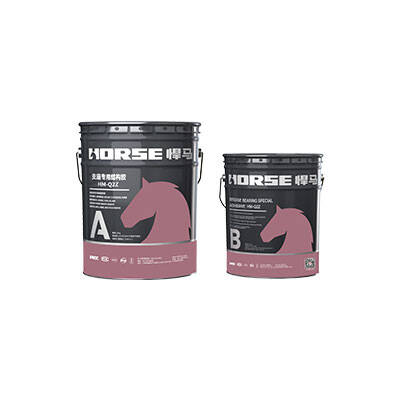
Second, interfacial bonding synergistic force transfer. The special impregnating adhesive can penetrate into the micropores of concrete to form a high-strength bonding interface (bond strength ≥ 2.5 MPa), ensuring that CFRP and concrete deform synchronously and share loads synergistically, avoiding problems such as debonding and hollowing, and maximizing the high-strength performance of CFRP.
2. Four Innovative Advantages of CFRP Reinforcement (Distinguishing It from Traditional Solutions)
Lightweight and High-Efficiency, Zero Foundation Load: CFRP material has a density of only 1.6~1.8g/cm³, approximately 1/4 that of steel. The reinforcement layer thickness is only 1~3mm, and the weight per unit area is less than 0.3kg/㎡. After multiple layers are bonded, the total weight increase can be controlled within 5% of the original structure's self-weight. No secondary calculations or reinforcement of the silo foundation are required. It is perfectly suited for scenarios with limited foundation bearing capacity, such as old concrete silos and high-altitude silos, fundamentally avoiding the risks of foundation settlement and structural instability caused by the increased weight of reinforcement.
Flexible Adaptability, Seamless Reinforcement: CFRP fabric possesses excellent flexibility and bendability, allowing for seamless bonding to irregularly shaped areas of concrete silos, such as curved walls, corners, and discharge ports, achieving "gap-free coverage." This solves the problems of poor adhesion and stress concentration associated with traditional rigid materials (steel plates, concrete). Furthermore, the CFRP layer direction (primarily circumferential, secondarily vertical) and number of layers can be flexibly adjusted according to the stress distribution of the silo wall, achieving precise reinforcement and improving structural toughness.
Corrosion Resistance and Durability, Cost Reduction Throughout the Life Cycle: CFRP material itself has excellent resistance to acids and alkalis, rust, carbonization, and UV radiation, requiring no additional anti-corrosion treatment. It can stably serve for 30-50 years in harsh environments such as high humidity, dust, and acid/alkali conditions. Compared to the 5-10 year anti-corrosion refurbishment required for traditional steel plate reinforcement, the CFRP solution can reduce long-term maintenance costs by more than 80%, truly achieving "one-time reinforcement, long-term worry-free," aligning with the development trend of low-carbon operation and maintenance of industrial infrastructure.
High efficiency and minimal disruption to production: CFRP reinforcement requires no heavy lifting equipment, no drilling or welding. It only requires grinding, applying adhesive, and laying the CFRP on the base layer of the silo wall. A construction team of 3-5 people can complete large-area operations, reducing labor costs by more than 60%. The "zoned operation, non-stop reinforcement" mode can be adopted, which only closes off the local construction area and does not affect the normal material storage and unloading of the silo. The construction period is shortened by 70% compared with traditional solutions, which greatly reduces production downtime losses. It is especially suitable for scenarios with high requirements for production continuity, such as grain storage warehouses and continuous production chemical silos.

Carbon fiber reinforced polymer (CFRP) has broken through the limitations of traditional reinforcement technologies with its core advantages of being lightweight and high-strength, flexible and adaptable, corrosion-resistant and durable, and highly efficient and minimally invasive. It has enabled the reinforcement of concrete silos to be upgraded from "passive repair" to "active reinforcement" and from "standardized construction" to "personalized design". It not only solves the structural hidden dangers of silos, but also reduces the cost of operation and maintenance throughout the entire life cycle, which is in line with the development trend of low-carbon, intelligent and long-term industrial infrastructure.
You can find anything here you are in need of, have a trust trying on these products, you will find the big difference after that.

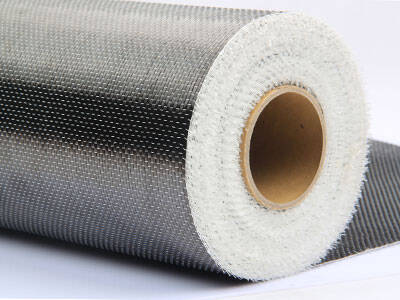
High strength, unidirectional carbon fiber wrap pre-saturated to form a carbon fiber reinforced polymer (CFRP) wrap used to strengthen structural concrete elements.

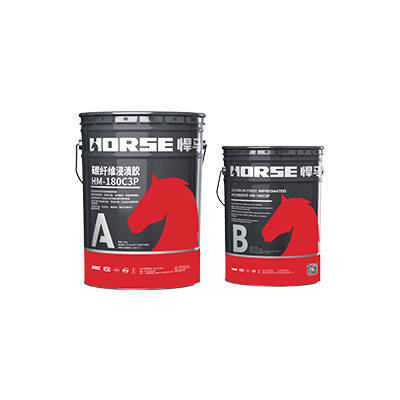
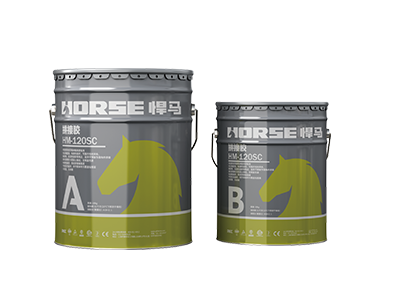
Low viscosity, strong penetration carbon fiber primer for reinforced concrete surface to enhace the defect part

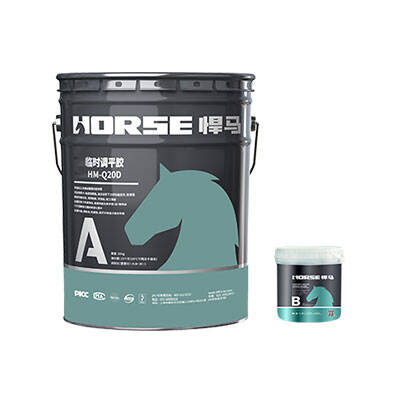
Good thixotropy carbon fiber leveling adhesive for concrete surface repairing
