


 Language: English











Solutions
Horse Construction offers full range of structural strengthening materials with technical supports, documentation supports, products supports, project supports.
Slab Strengthening

Why Existing Slabs Need Strengthening
Concrete floor slabs are among the most heavily stressed elements in any structure. Over a building's service life, the demands placed on slabs often change.
Whatever the trigger, engineers face the same fundamental question: how can the slab's load-carrying capacity be increased without full demolition and replacement?
This guide covers the full range of slab strengthening methods available to engineers — from traditional techniques to modern composite systems — with a practical look at when each approach makes the most sense.
Before selecting a method, it is essential to understand what the slab needs and how it might fail.
Common Drivers
Increased live loads — change of building use, heavier equipment, new code requirements
Corrosion of internal reinforcement — chloride ingress from de-icing salts or marine exposure
Concrete degradation — carbonation, sulfate attack, freeze-thaw damage, alkali-silica reaction
Design or construction deficiencies — outdated code assumptions, material substitutions, insufficient rebar cover
Post-tensioning losses — creep, shrinkage, or tendon corrosion reducing effective prestress
| Failure Mode | Typical In | Key Characteristics |
Flexural failure | One-way and two-way slabs | Cracking on tension face, progressive deflection |
Punching shear | Flat plates at slab-column connections | Sudden, brittle, risk of progressive collapse |
One-way shear | Near supports in one-way slabs | Diagonal cracking, less common but critical under heavy loads |
Excessive deflection | Long-span slabs | Serviceability issue, may trigger upgrade before structural failure |
Slab Strengthening Methods

Method Comparison Summary
Method | Capacity Increase | Added Weight | Installation Time | Disruption to Occupants | Fire Resistance | Cost Range |
| Concrete Jacketing | High (50–100%+) | High | Weeks | Major | Excellent | Low material / High labor |
| Steel Plate Bonding | Moderate (15–40%) | High | Days–Weeks | Moderate | Requires protection | Moderate |
| External Post-Tensioning | High (30–80%) | Low | Days–Weeks | Moderate | Good | High |
| Shotcrete | Moderate (20–50%) | Moderate | Days | Moderate | Excellent | Low–Moderate |
| CFRP (EBR) | High (20–60%) | Negligible | Hours–Days | Minimal | Requires coating | Moderate–High |
| GFRP (EBR) | Moderate (15–40%) | Negligible | Hours–Days | Minimal | Requires coating | Low–Moderate |
| AFRP (EBR) | Moderate–High | Negligible | Hours–Days | Minimal | Requires coating | High |
| NSM FRP | High (20–60%) | Negligible | Days | Low–Moderate | Requires protection | Moderate |
| TRM / FRCM | Moderate (20–50%) | Low–Moderate | Days | Low | Excellent | Moderate |
| UHPFRC Overlay | High (40–80%) | Moderate | Days–Weeks | Major (above) | Excellent | High |
| SHCC | Moderate–High | Low | Days | Low | Good | High |
Choosing the Right Method
There is no single "best" method for every slab strengthening project. The right choice depends on:
Structural requirements. How much additional capacity is needed? Is the governing failure mode flexure, punching shear, or one-way shear? Does the slab need more stiffness, more strength, or both?
Access constraints. Can the slab be accessed from below, from above, or both? Is the floor above occupied? Is soffit access clear, or do ceiling systems need to be removed?
Environmental conditions. Is the slab exposed to moisture, chemicals, chlorides, or high temperatures? These factors affect the durability of the strengthening system.
Fire rating requirements. Does the strengthening system need to maintain its structural contribution during a fire event? Inorganic systems (TRM, shotcrete, UHPFRC) have inherent fire resistance; epoxy-based systems (CFRP, GFRP, AFRP) require protective coatings.
Schedule and occupancy. How quickly must the strengthening be completed? Can the building or area be vacated during construction? For occupied buildings, lightweight FRP systems offer a decisive advantage.
Budget. Material costs, labor costs, and indirect costs (downtime, lost revenue) all factor into the total project cost. The cheapest material option may not be the most economical solution when installation time and building disruption are considered.
Design code compliance. The chosen method must comply with applicable design standards (ACI 440.2R, fib Bulletin 14, EN 1992, local codes) and have documented test data to support the design assumptions.

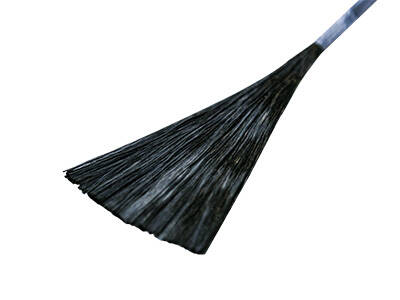
Slab strengthening is a well-developed field with a broad range of proven methods. Traditional techniques — concrete jacketing, steel plate bonding, external post-tensioning, and shotcrete — remain valid choices for many projects, particularly where large capacity increases are needed or fire resistance is paramount. Advanced composite methods — CFRP, GFRP, AFRP, NSM FRP, TRM/FRCM, UHPFRC, and SHCC — offer compelling advantages where speed, minimal weight, reduced disruption, or specific performance characteristics (corrosion resistance, fire resistance, ductility) are important.
You can find anything here you are in need of, have a trust trying on these products, you will find the big difference after that.

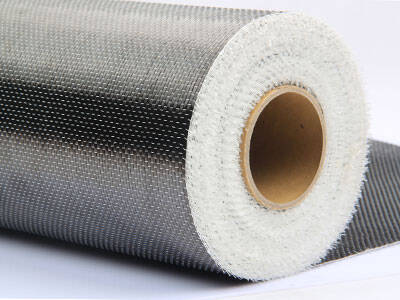
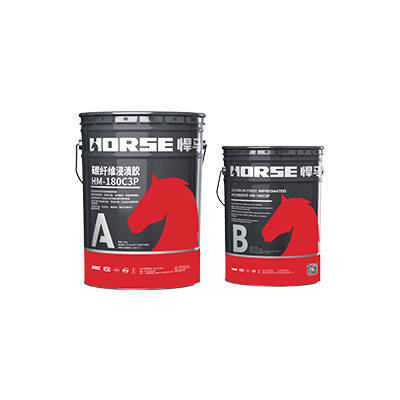
High strength, unidirectional carbon fiber wrap pre-saturated to form a carbon fiber reinforced polymer (CFRP) wrap used to strengthen structural concrete elements.

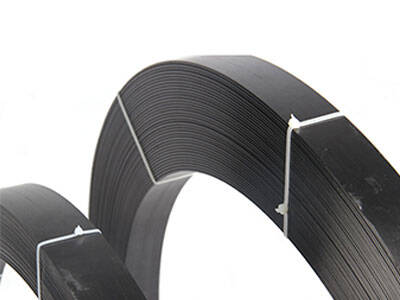
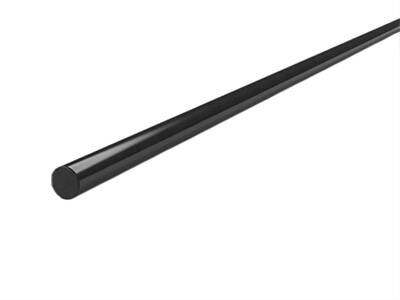
High strength carbon fiber reinforced polymer (CFRP) strip / laminate / plate for structural strengthening and concrete repair

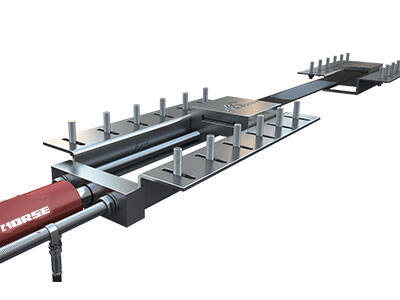
Prestressed carbon fiber reinforced polymer(CFRP) plate for slab, beam strengthening to increase stiffness, reduce distortion and deflection of members, reduce the cracks, avoid and stop cracking.
